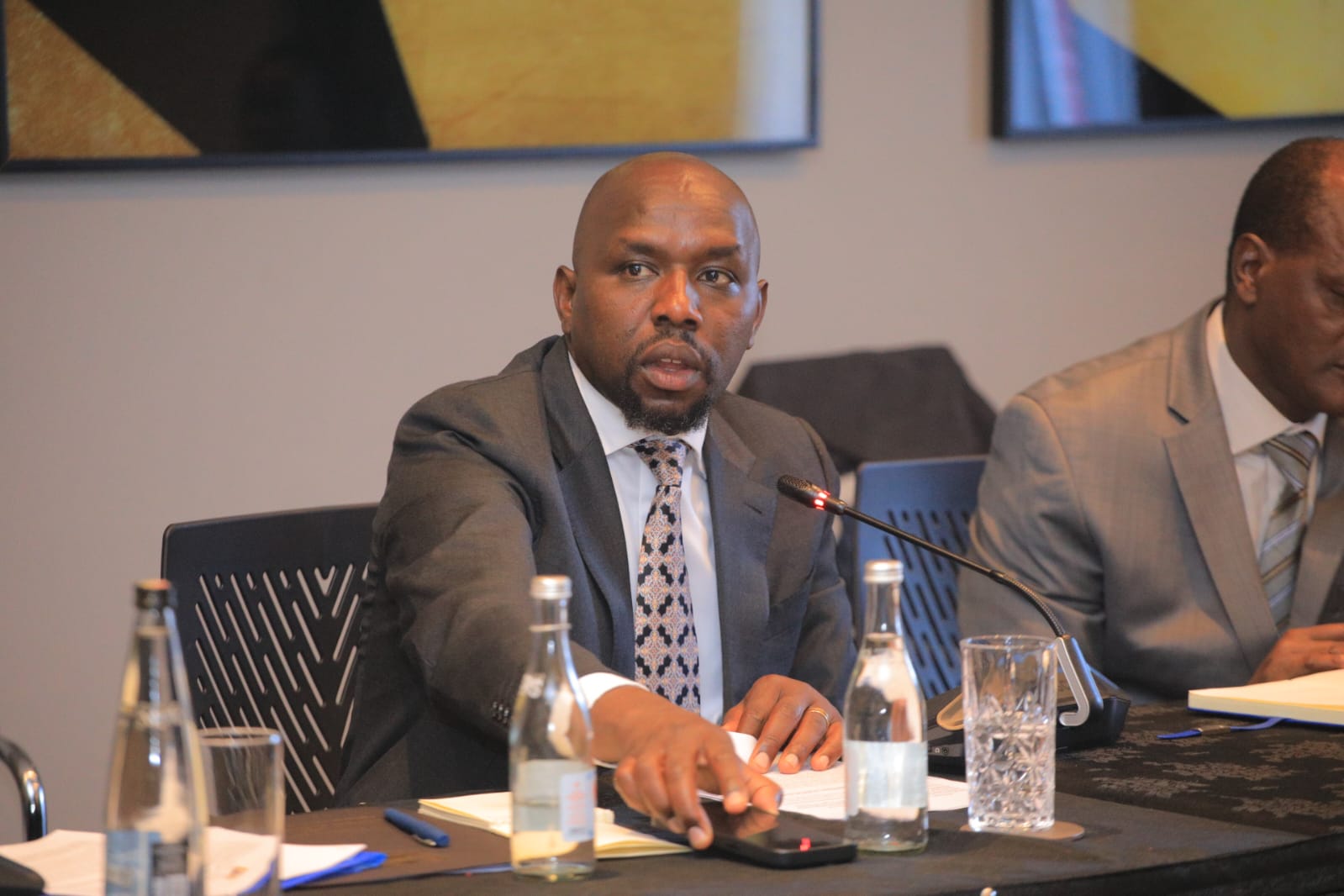
A sweeping plan to transform how security is handled in the capital is taking shape after President William Ruto entered into an Sh80 billion cooperation agreement with Nairobi Governor Johnson Sakaja, paving the way for the creation of a Nairobi Metropolitan Police Unit.
The proposed unit, which Interior Cabinet Secretary Kipchumba Murkomen has been instructed to design within two months, is expected to mirror systems used in major global cities. Officials say the aim is to raise Nairobi’s policing standards to match those of advanced capitals.
Murkomen said the government is keen on learning from top-tier cities rather than drawing lessons from countries at a similar stage of development.
“We don’t want to benchmark with the small or fellow developing countries. We want to benchmark on where we are going, which is [the] First World,” he said last Thursday.
He explained that the process will involve studying how large cities are structured and secured, including the tools and systems used to keep them safe.
“We want to look at: how do you reorganise a metropolis? And how do you provide the security? What additional security equipment and additional security infrastructure, including cameras, are supposed to be used in the city? What kind of vehicles are required by a city police?” Murkomen added.
He further observed that the Nairobi model will then be replicated in Kenya’s other four cities.
“We are going to have to work on a very serious paper that looks at comparative analysis and studies of what has happened in other countries,” he said.
Under the concept being discussed, officers attached to the unit would be equipped with body-worn cameras, modern gear and supported by dedicated vehicles to allow quick response across the city.
Examples from abroad are already guiding the thinking. In the United States capital, the Metropolitan Police Department serves as the main law enforcement agency for Washington DC and ranks among the largest local agencies in the country.
“Founded in 1861, the MPD of today is on the forefront of technological crime-fighting advances, from highly developed advances in evidence analysis to state-of the-art information technology,” it says.
Images published by the department show officers fitted with chest-mounted cameras and carrying standard-issue firearms.
In Beijing, security matters are handled by the Beijing Municipal Public Security Bureau, which states that it is responsible for “implementing the laws, regulations, rules, and policies on public security of the state.”
London also operates a specialised structure. The City of London Police oversees policing within the historic financial district, separate from the larger Metropolitan Police area. Its work includes cutting neighbourhood crime, addressing violent offences, countering terrorism threats and targeting illicit financial activities.
Murkomen said the President has asked his office to study London closely, along with “other progressive cities”.
According to the latest report from the City of London Police, the force had 1,000 officers by March 31, 2025. During the period under review, it rolled out a targeted campaign against mobile phone theft.
“During 2024/25, we developed Operation Swipe, the City of London Police’s operation to deter, detect, apprehend and prevent phone snatching. This proactive approach involves visible public messaging – iconic ‘blue plaques’ – placed at phone theft hotspots and locations where arrests of phone snatchers have taken place,” the report says.
The issue of phone snatching has also become common in parts of Nairobi, raising concern among residents and business owners. Officials acknowledge that achieving similar standards will require fresh investment in surveillance, officer training, communication systems and patrol mobility.
A statement from Governor Sakaja’s office confirmed that funding for the police unit will come from the broader Sh80 billion package agreed with the national government.
“The Sh80 billion package is earmarked for transformative upgrades: 50,000 new street lights; major sewer and water expansion projects; road, bridge and drainage improvements,” it said.
Once rolled out, the Nairobi Metropolitan Police Unit is expected to act as a test case for urban policing reforms, with the structure later extended to other cities across the country.































Comments
Sign in with Google to comment, reply, and like comments.
Continue with Google